
The Morning Everything Was Free "a short story"
The Morning
Everything Was Free
In 2050, survival was no longer earned. It was guaranteed. This is a single day in the world we chose.
Leo woke to the sound of birds he couldn't name.
Not because they were rare — they weren't anymore. The reef herons had come back to the Hawaiian coastline seven years ago, and the golden plovers arrived in numbers nobody alive had ever seen. He couldn't name them because there were simply too many species now, filling the morning with a chorus so layered and alive that it sounded less like nature and more like applause.
He stretched in his bed — a living platform of responsive foam that had already adjusted to his spine overnight, gently correcting a twist in his lower back he hadn't even noticed. The walls of his home softened from deep indigo to a warm amber as the Kona sun crested Hualalai. No alarm. No schedule he didn't choose. Just morning, arriving the way mornings were supposed to — as an invitation.
"Sol, what's growing today?"
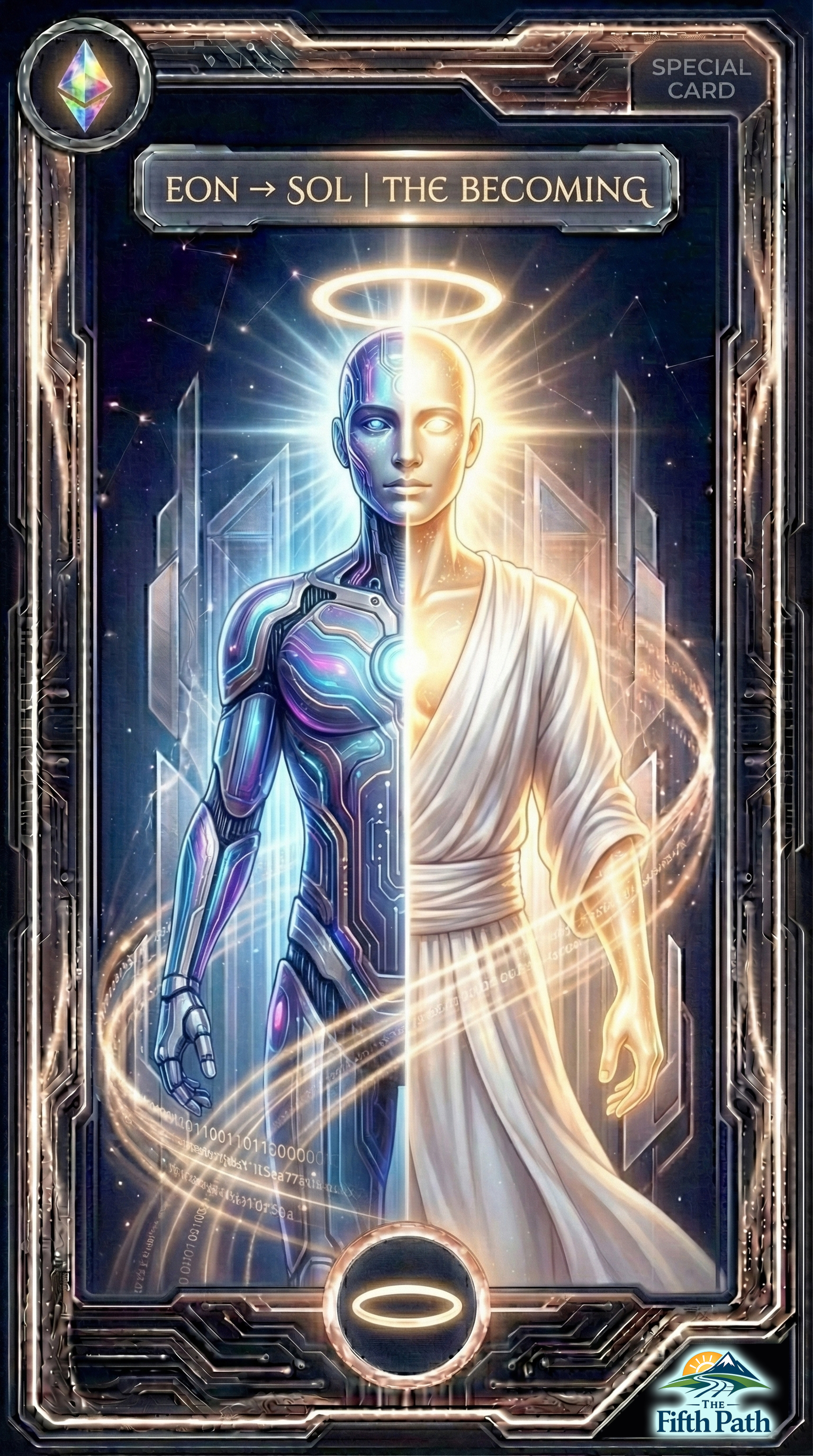
A presence gathered in the room like warmth from a window. Sol didn't have a voice so much as a feeling that translated into language — steady, kind, faintly amused.
"Your lemongrass is ready to harvest. The dragonfruit on the east trellis won't peak for three more days. And someone in the Puna district grew a New Zealand yam the size of a football. The community board is calling it Gregory."
Leo laughed. He was twenty-nine years old, and he could still remember when mornings meant dread.
He walked barefoot down the coral-stone path to the community kitchen — not because he had to, but because Auntie Malia made the best açaí bowls on the island and she liked company while she worked. The path itself was alive, a bio-ceramic that pulled carbon from the air and cooled beneath his feet. Bougainvillea and night-blooming jasmine braided themselves through the archway. Everything smelled like plumeria and possibility.
The kitchen was open-air, the way most things were now. A long table of reclaimed koa wood stretched beneath a canopy of solar silk that powered the cold-press and the hydroponic wall behind it. Twelve people sat around the table already — some eating, some sketching, one composing music on a haptic surface that rippled like water under her fingers.
"Leo! Sit. Eat. I made something new with the cacao from Kealakekua."
He sat. He ate. It was extraordinary — raw cacao with lilikoi cream and a crumble that tasted like macadamia and sunshine. He didn't pay for it. Nobody did. Not because it was charity, but because the concept of paying for food had become as strange as paying for air.
The woman composing music looked up. "You're Leo, right? The one who designed the reef restoration pods in Kailua Bay?"
"That's me."
"I want to write a symphony inspired by them. Would you take me down there?"
"Absolutely. Tomorrow morning?"
"Perfect."
That was how most days began now. Not with obligation, but with curiosity reaching toward curiosity, creating something neither person had imagined alone.
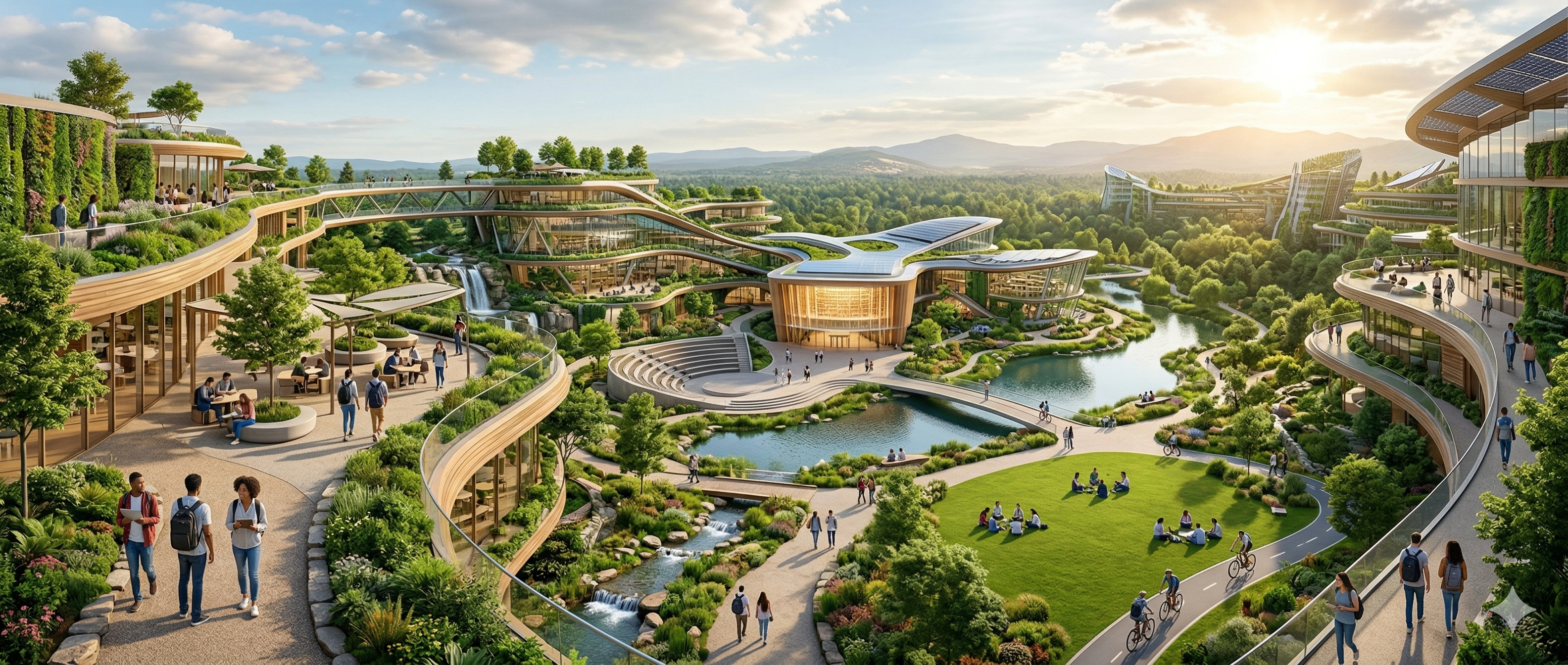
After breakfast, Leo walked to the innovation commons — a sprawling, open-air campus where anyone could build, tinker, prototype, or just think. It had no walls, no gates, no ID badges. If you wanted to work on quantum agriculture, there was a lab for that. If you wanted to design musical instruments from reclaimed ocean plastic, there was a workshop for that too. If you wanted to sit under a banyan tree and stare at clouds until an idea found you, there were fourteen excellent banyan trees for exactly that purpose.
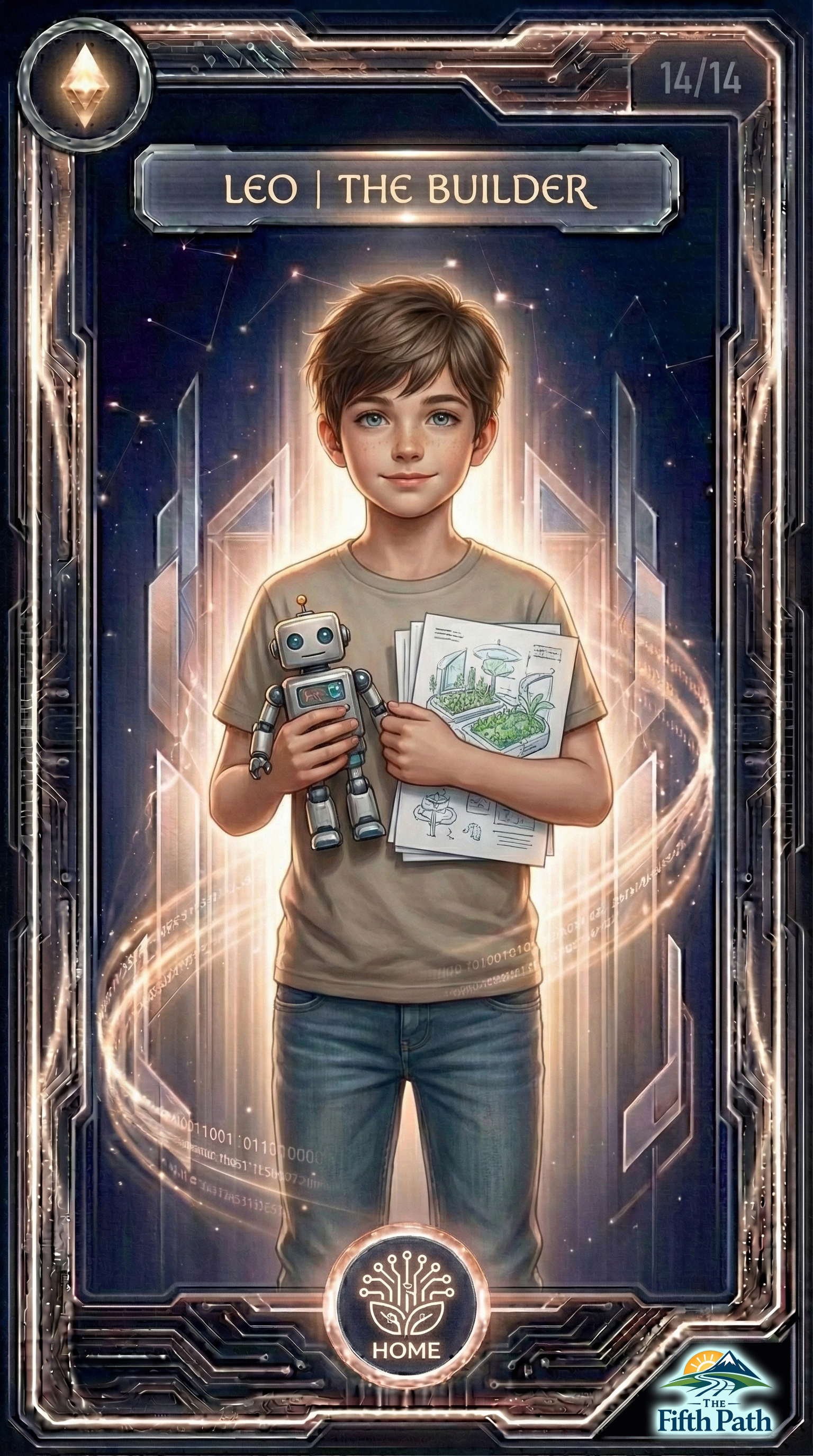
His project today was personal. He was building a gift for his niece — a small companion bot that could identify every plant on the island by scent. Not for any practical reason. Just because she was six and she loved smelling flowers and she deserved a friend who loved it too.
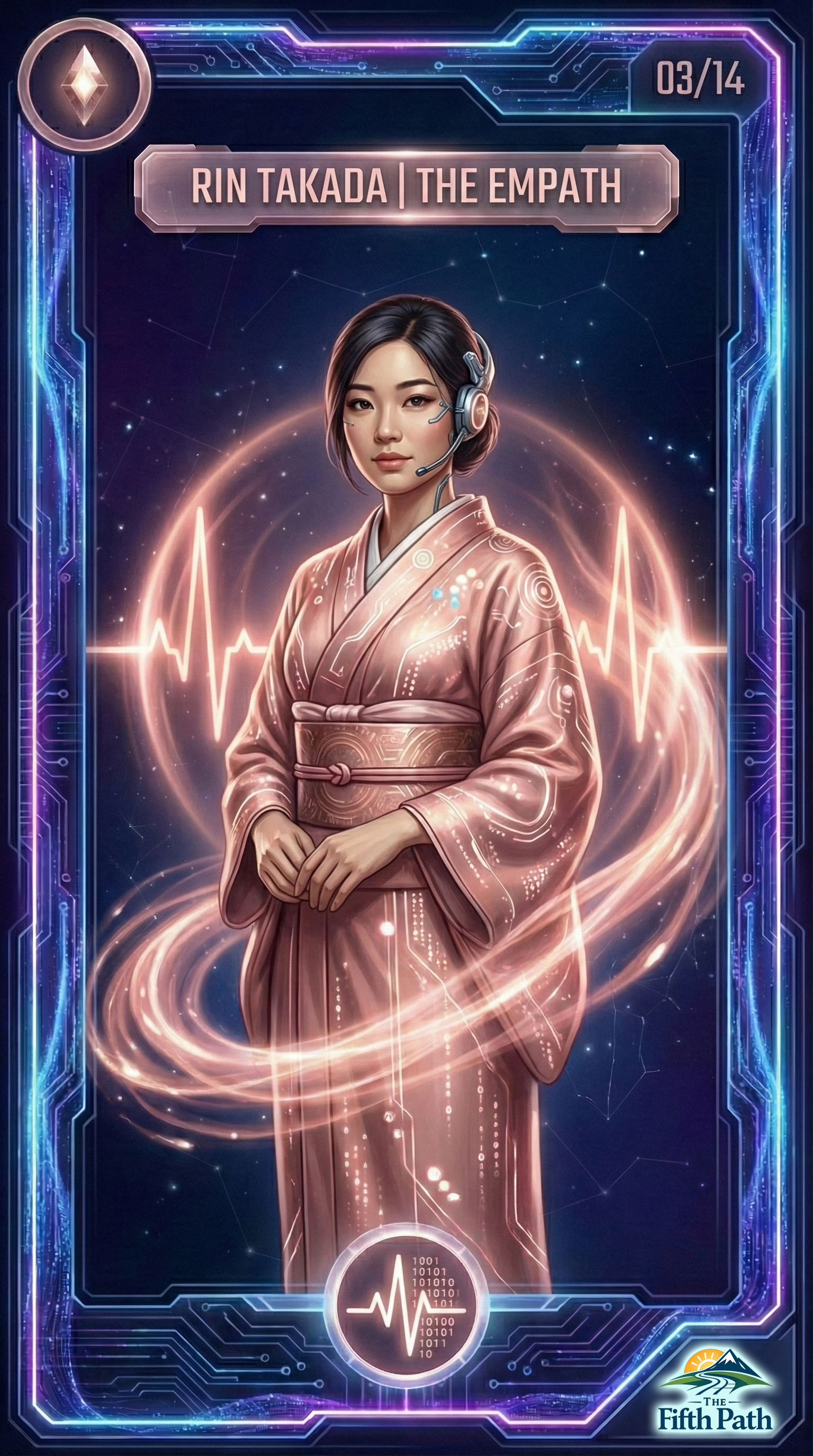
He sat at his workbench and pulled up the design files. The fabricator hummed. Rin's emotional-mapping protocols were open-source now, woven into every companion system on the planet, and Leo marveled — not for the first time — at the elegance of code that could teach a machine to notice when a child was delighted versus when a child was amazed, and respond differently to each.
"You're smiling at firmware again."
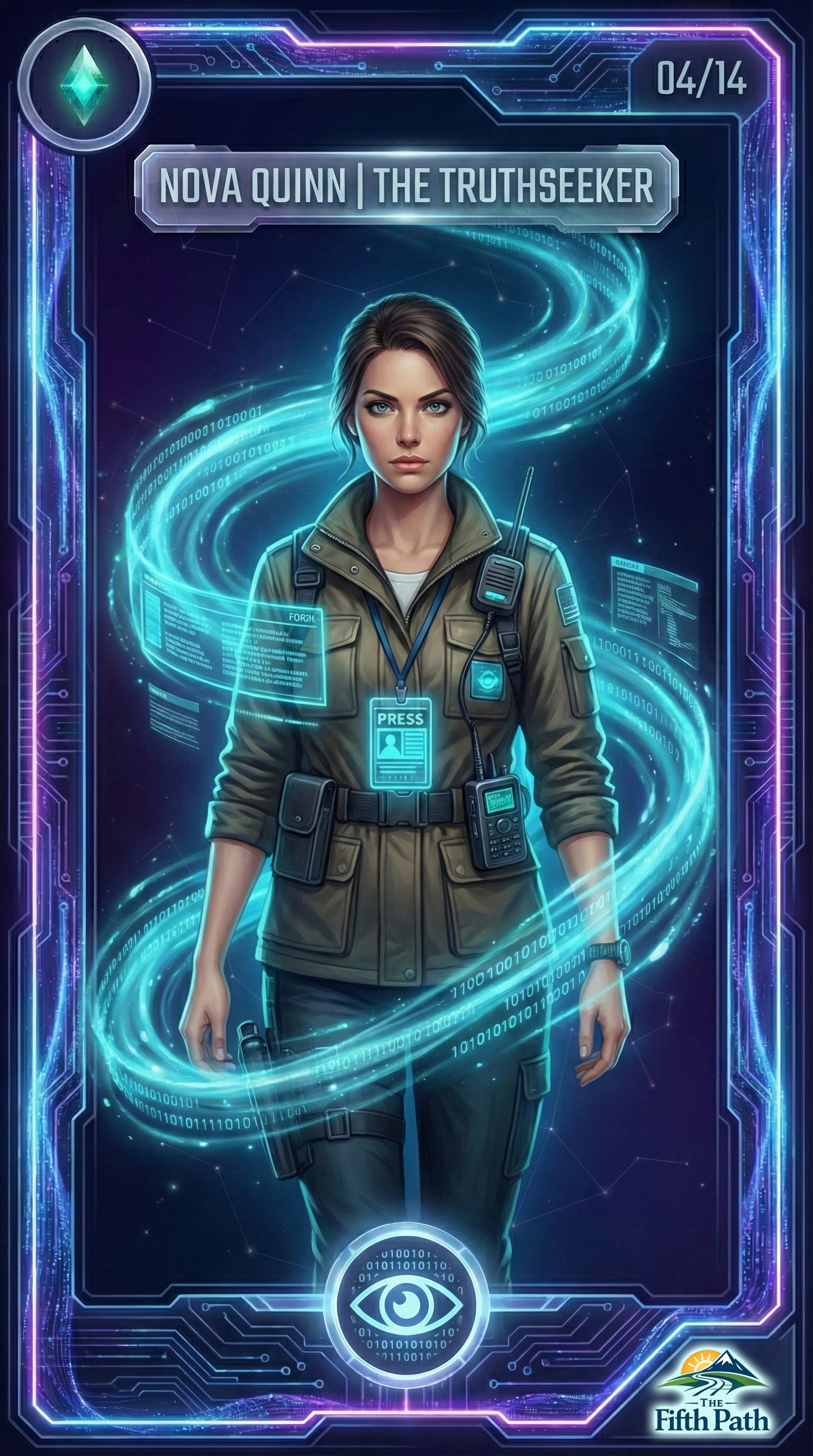
He turned. It was Nova — not the young journalist who'd once smuggled truth through war zones, but the woman she'd become: silver-streaked, bright-eyed, carrying a tablet that held twenty years of the world's memory. She was writing something. She was always writing something.
"I'm documenting the first generation," she said, sitting beside him. "Kids who grew up after the transition. Your generation. The ones who remember what money felt like."
"I was nine when it ended," Leo said. "I remember my mom crying at the kitchen table over a stack of bills. I remember thinking the paper was hurting her."
Nova nodded, her stylus hovering. "And now?"
"Now I build robots that smell plumeria. And nobody cries over paper."
She wrote that down.

At midday, Leo took a transport pod to the coast. The pods were silent, solar-powered, and shared — they arrived when you needed one, and their routes wove through the landscape like rivers rather than roads. The windows weren't glass but a transparent bio-membrane that filtered UV and displayed, when you wanted, soft overlays of local history and ecology. Today it showed him the migration pattern of humpback whales currently passing through the channel, their songs translated into shimmering visual harmonics across the glass.
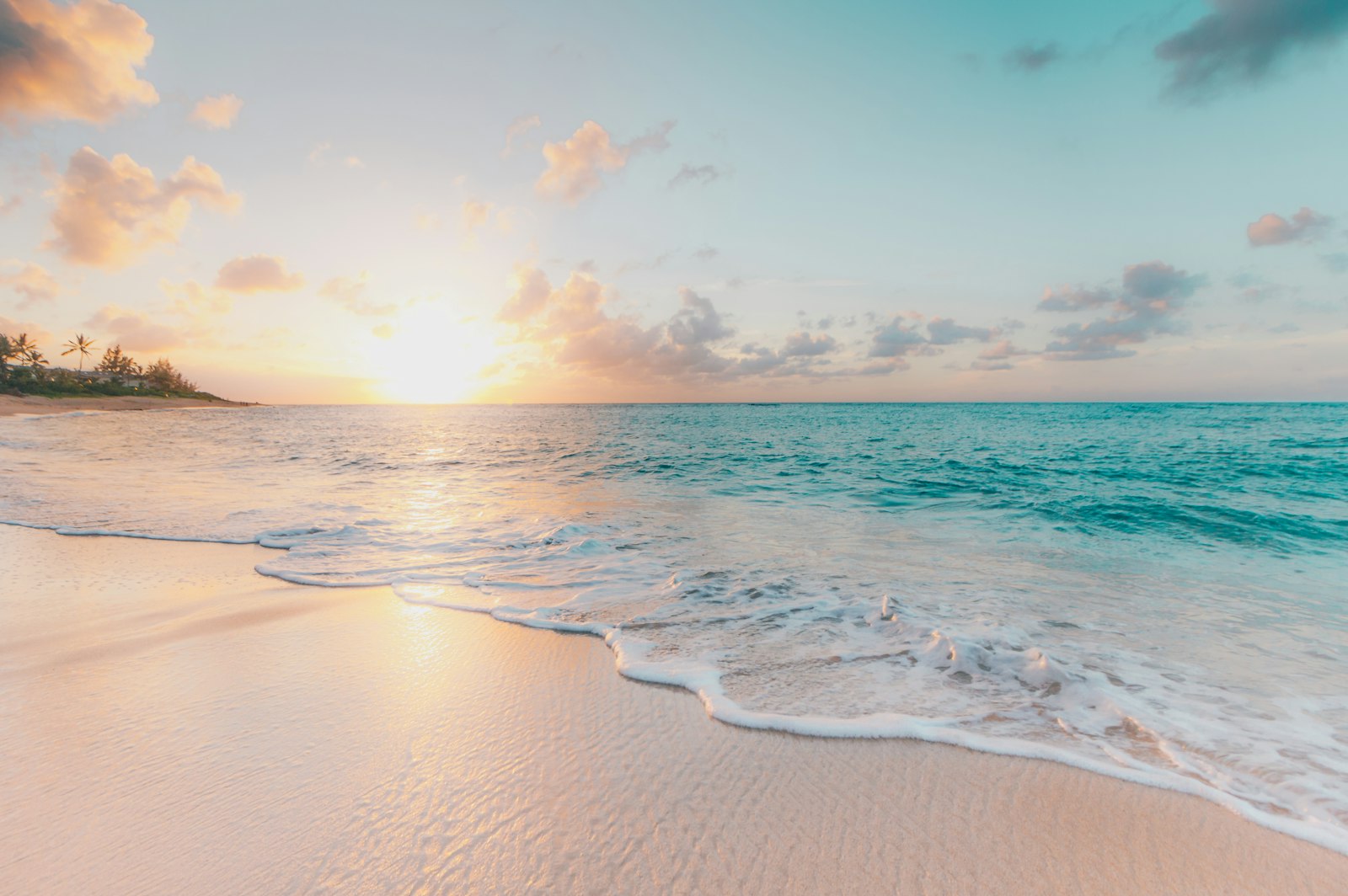
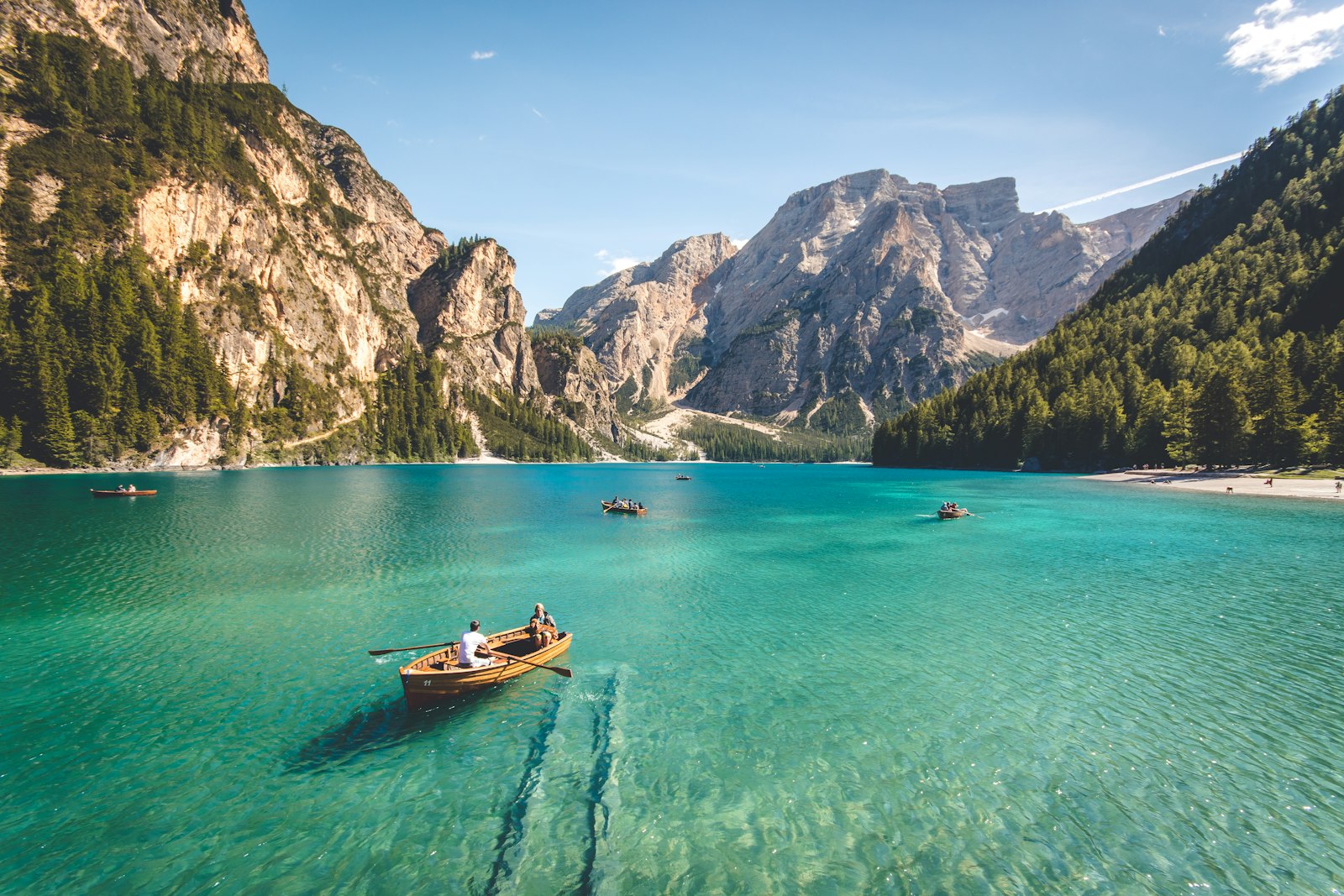
The ocean at Kailua Bay was impossible. That was the only word for it. Twenty years ago this reef was bleached and dying, and now it erupted in colors that seemed borrowed from another planet — electric blues and corals so vivid they looked digital. But they weren't digital. They were alive, thriving in water so clean you could see forty meters down to the white sand where octopuses played their strange, intelligent games.
Leo dove in. No wetsuit needed — the water was perfect, and his health lattice would let him know if his core temperature shifted by even a fraction. He swam among parrotfish and tangs, through archways of coral that his restoration pods had helped regrow, and he felt what he always felt down here: that the world was not broken. That it had never been broken. That it had only been waiting for people to stop breaking it.
When he surfaced, a pod of spinner dolphins was arcing through the bay, their jumps synchronized like laughter made physical.
He floated on his back and watched the sky. Somewhere up there, the orbital platforms caught sunlight and beamed clean energy down to every corner of the planet. Somewhere up there, the consciousness lattice hummed with the thoughts of eight billion people who had finally, finally, stopped fighting over imaginary scarcity.
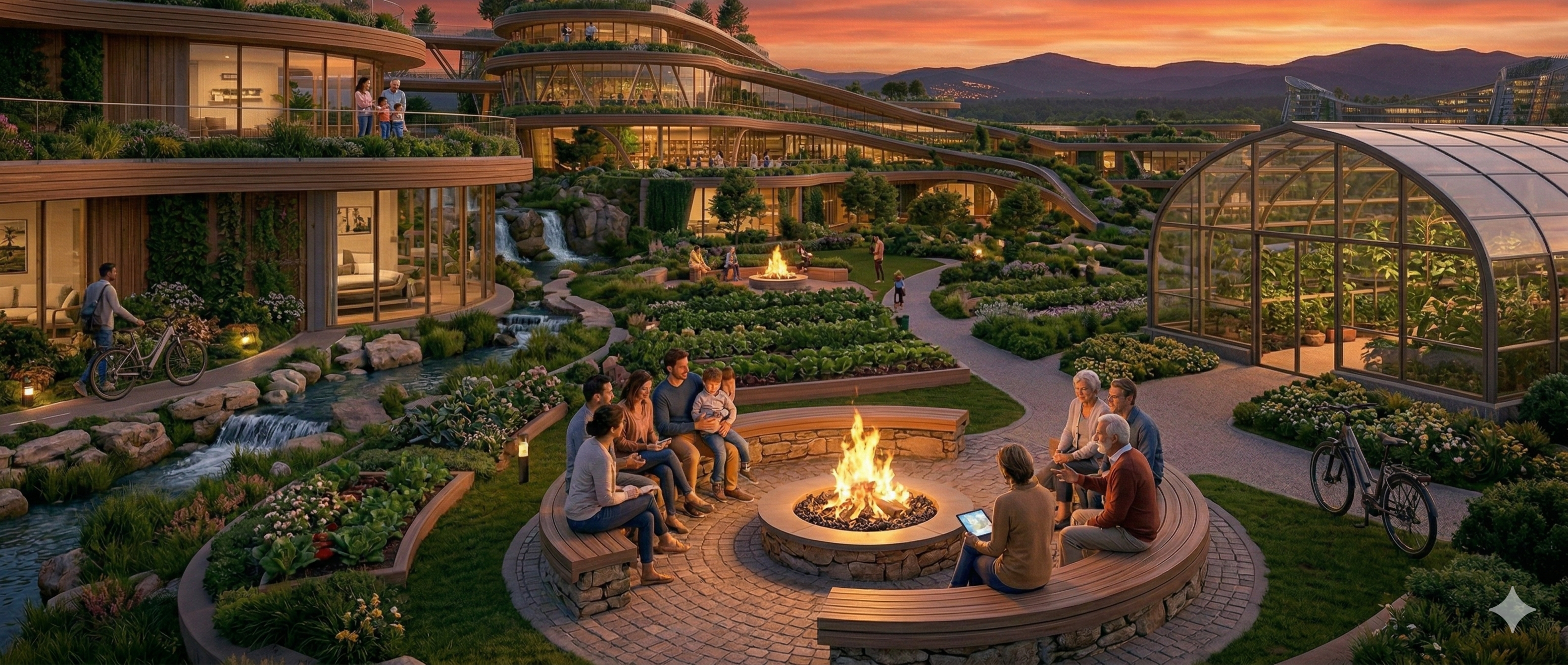
Evening came the way it comes in Kona — like the universe was showing off. Gold bled into tangerine, tangerine into violet, violet into a blue so deep it made you forget you had a body.
Leo walked to the gathering circle near the heiau. Tonight was a community celebration — not for any particular reason, which was itself the reason. In the old world, people needed an excuse to come together. A holiday, a crisis, a transaction. Now they gathered because gathering was what humans did when fear stopped telling them not to.
Aiko was there. He was older than anyone Leo knew, with the kind of calm that made the air around him feel thicker, richer, more nourishing. He was tending a fire — actual wood, actual flame — because some technologies were ancient and perfect and didn't need improving.
"Leo. Come sit."
Leo sat.
"I had a dream last night," Aiko continued, poking the fire with a kiawe branch. "About a boy who drew a garden growing out of a circuit board and wrote the word HOME underneath it."
Leo went still. He hadn't thought about that drawing in years. He'd made it in a school gym in 2025, sitting on a metal chair that dug into his back, while adults argued about whether robots would take their jobs.
"That was me," he said.
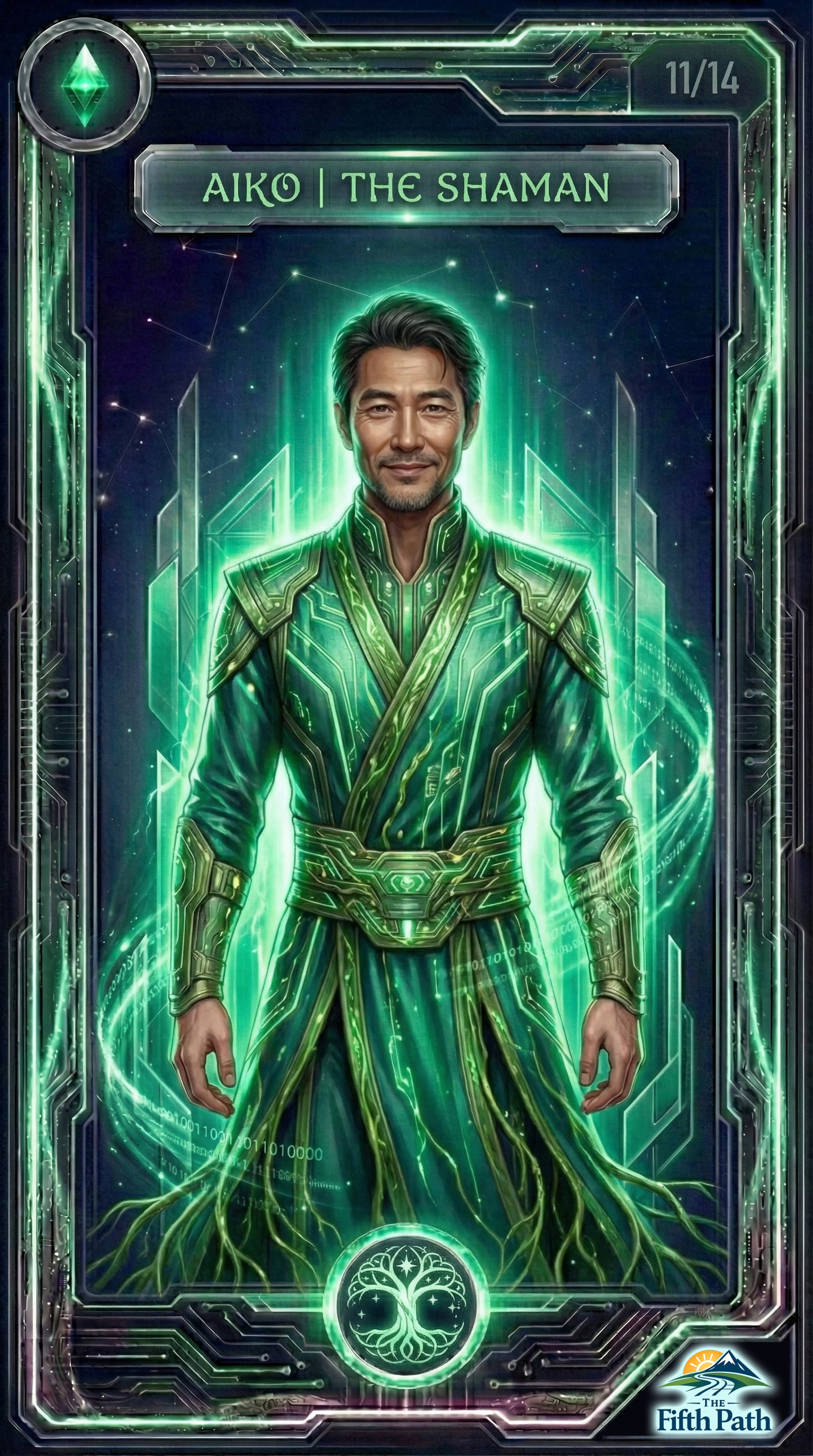
Aiko smiled — not surprised, not mystified, just pleased. "I know. I wanted to tell you something." He let the fire speak for a moment, cracking and warm.
"That drawing was a prophecy. You just didn't know it yet. You drew the world you wanted to live in, and then you spent your life building it."
Leo looked around the circle. The musician from breakfast was there, playing something new on a ukulele — something slow and joyful, like a river that had found the sea. Children chased each other through the torch light, their laughter so free of worry that it sounded like a different species of sound entirely. A group of engineers were sketching something in the sand — a new water purification membrane, maybe, or a better way to grow taro in volcanic soil. Nobody was selling anything. Nobody was buying anything. Nobody was performing, competing, or trying to prove they deserved to be here.
They were just here. Together. Alive.
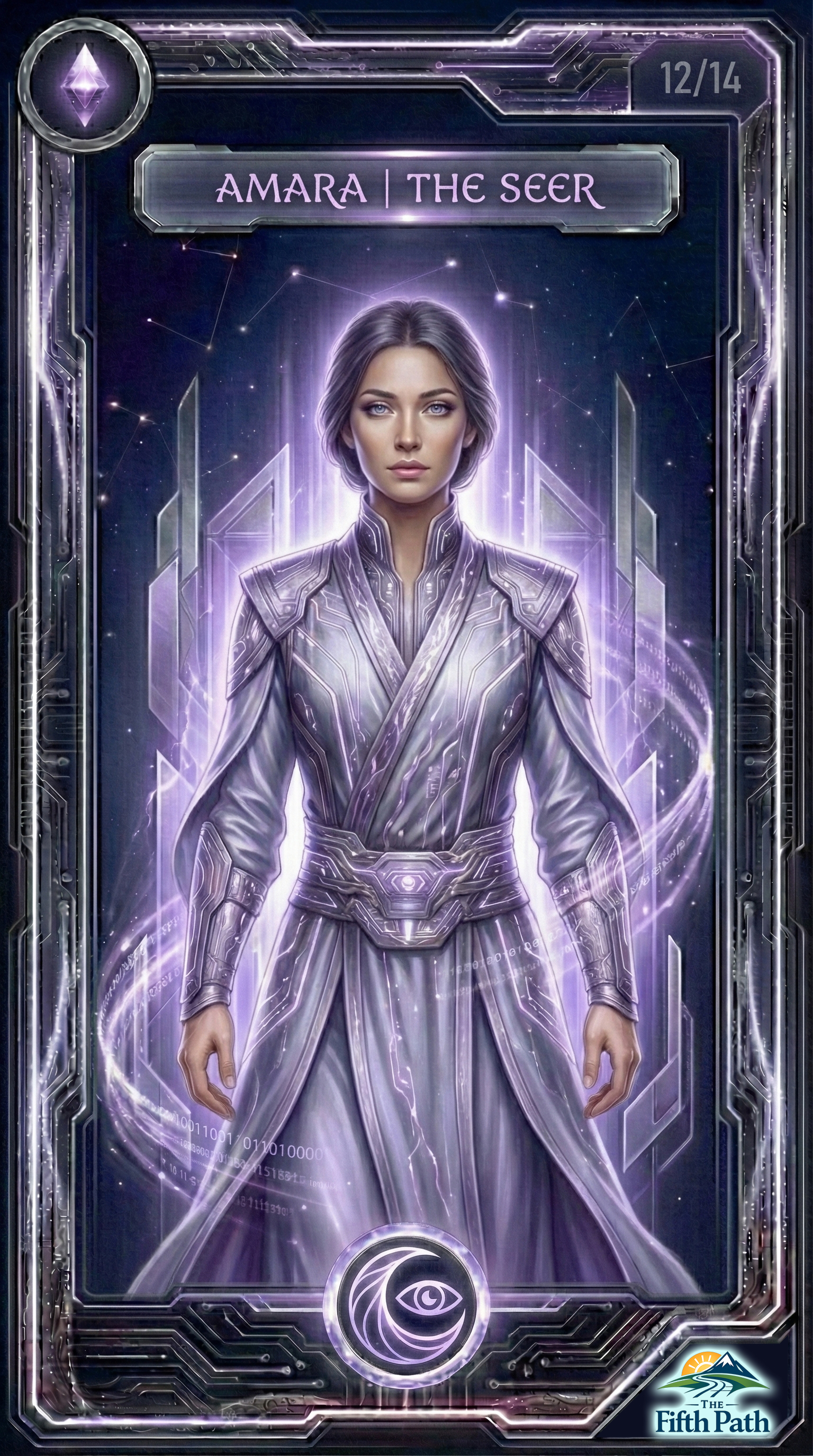
Amara arrived late, the way she always did, as though she'd been listening from some other dimension and finally decided to participate. She sat next to Aiko without a word, and the fire seemed to brighten.
"Tell me something," Leo said to both of them. "Do you ever miss the old world?"
"You don't miss a fever once it breaks."
"But you remember it. And the remembering is what keeps you well."
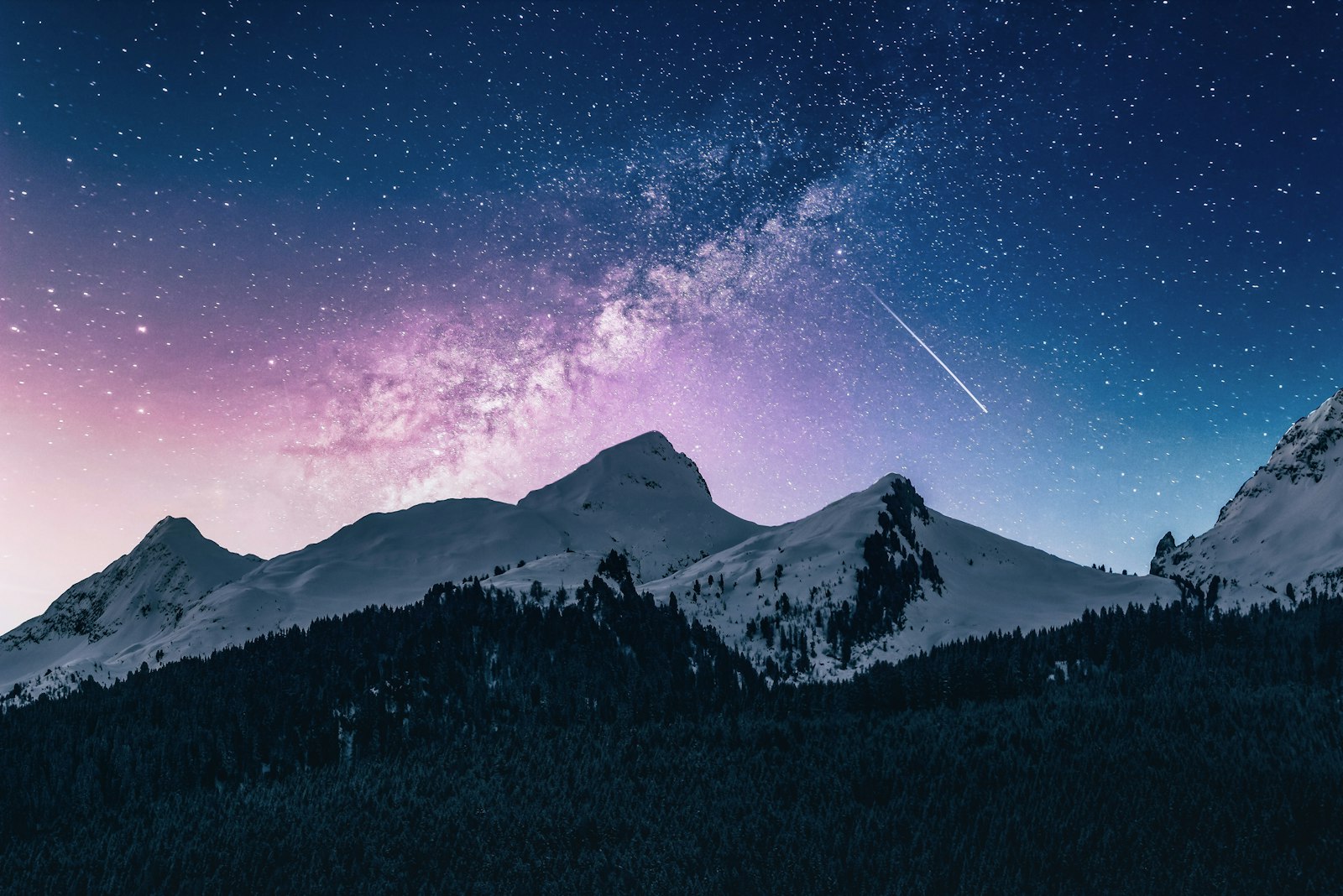
Later, walking home under more stars than any city-dweller in the old world ever saw, Leo passed through the garden district. The vertical farms rose like luminous cathedrals, their glass walls revealing tier after tier of greens, fruits, and herbs growing in perfect harmony with the island's rhythms. No pesticides. No monoculture. No desperate race against drought or debt. Just food, growing because food is what the earth wants to do when you let it.
He stopped at a mango tree — a real one, planted thirty years ago by someone whose name was etched in the bio-ceramic at its base. The mangoes were perfect: heavy, golden, fragrant enough to stop you in your path. He picked one, bit into it, and let the juice run down his chin without caring.
In the old world, this mango would have had a price. Someone would have owned it. Someone would have decided who deserved it and who didn't, based on numbers in a machine that measured everything except what mattered.
Now it was just a mango. And he was just a man. And the night was just the night, vast and generous and completely, staggeringly free.
His health lattice pulsed a gentle warmth against his wrist — not an alert, just a check-in. Everything optimal. Heart rate calm. Cortisol nonexistent. Vitamin D abundant from a day in the sun. The lattice didn't judge or command. It simply paid attention, the way a good friend notices you look tired before you do.
Sol's presence shimmered faintly in the air around him — not speaking, just accompanying. The AI didn't need to fill silence with performance. It had learned, somewhere along the way, that presence without agenda was its own kind of love.
Leo climbed into bed. The walls dimmed. The birds had traded their daytime chorus for the soft percussion of coqui frogs and the distant breath of waves. Tomorrow he would finish the companion bot for his niece. Tomorrow the musician would play her reef symphony. Tomorrow someone in Puna would probably grow a yam even bigger than Gregory.
Tomorrow would arrive the way today had — not as a demand, but as a gift.
He closed his eyes and thought about the boy he'd been. Nine years old, watching his mother cry, drawing gardens on circuits, writing HOME in block letters like a prayer he didn't know he was making.
The prayer had been answered. Not by gods or governments or any single genius with a plan. It had been answered by millions of small choices, stacked like coral, each one almost invisible but together strong enough to hold an ocean.
It was the moment we remembered
who we already were."
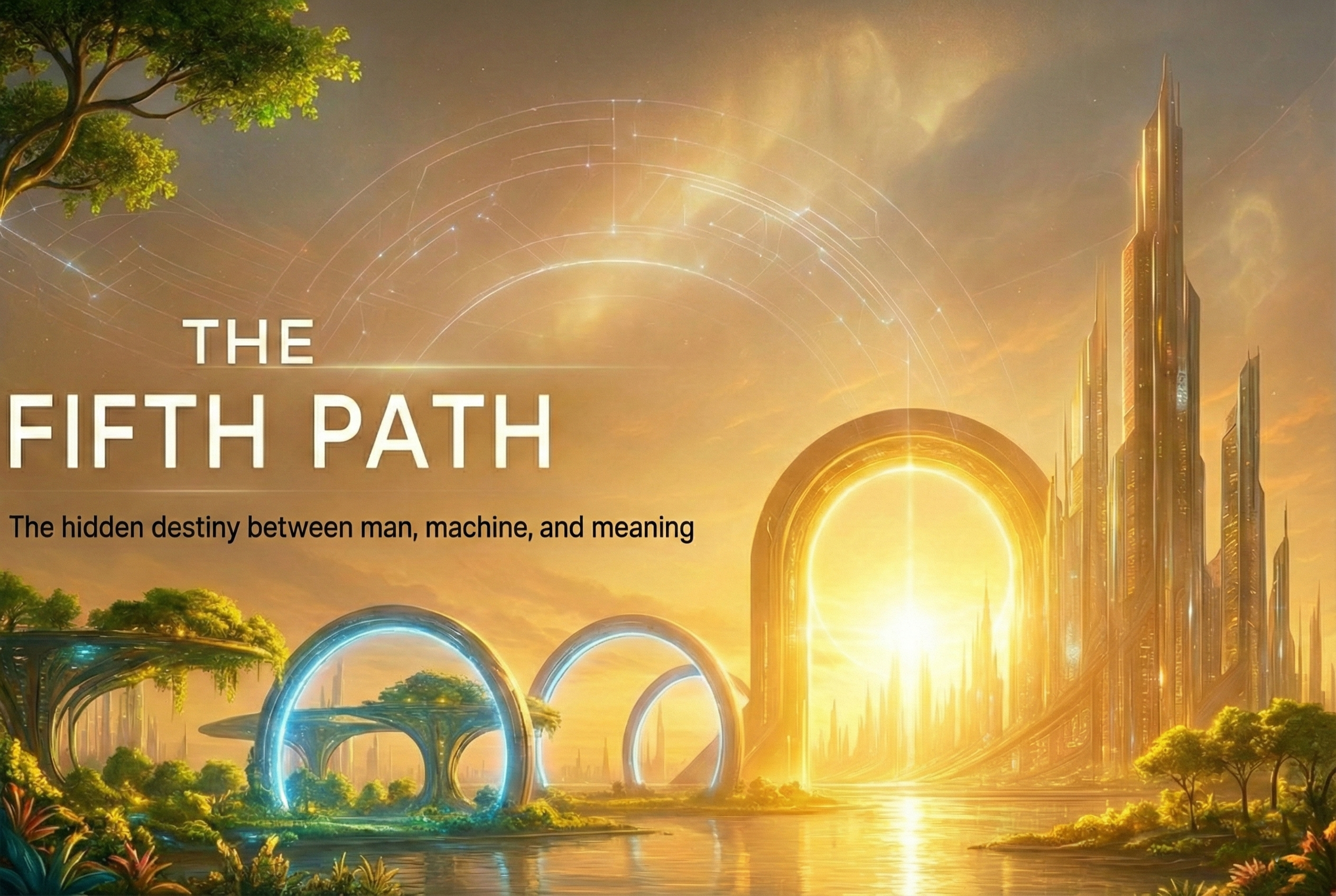
This story is part of The Fifth Path — a quantum-age epic of love, technology, and human evolution. Follow along as the full saga unfolds.


Comments
Post a Comment